
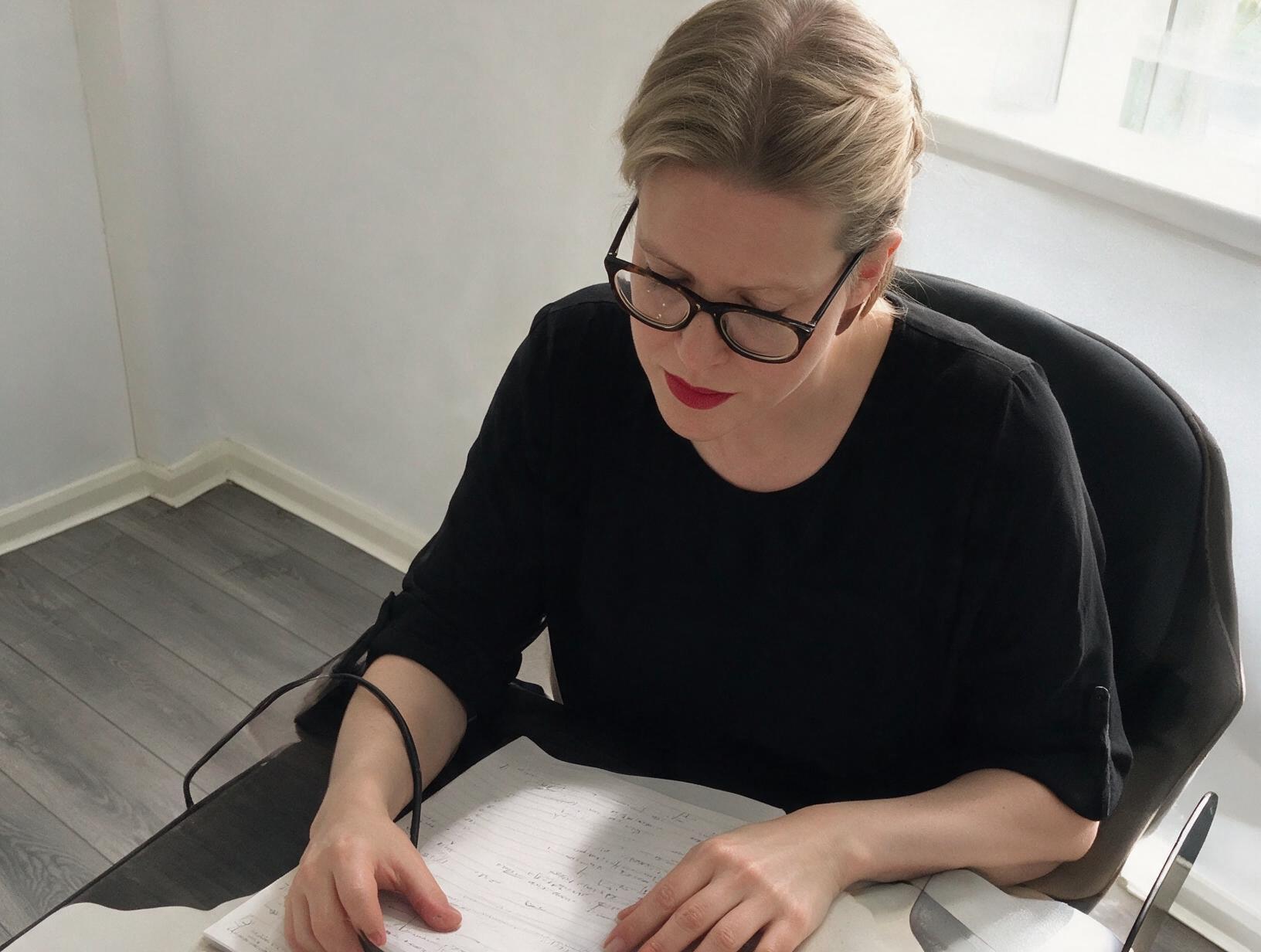
The right female SMP hairline should suit your facial proportions, age, existing hair and preferred hairstyle, rather than copy a template or celebrity. I look for a soft, irregular transition that reduces visible scalp without creating a hard painted edge. We agree the position and shape together before treatment.
What makes a female SMP hairline look natural?
When people search for scalp micropigmentation for a female hairline, they are often worried about one thing: will the result look obvious? In my experience, the hairline is one of the most important parts to assess when choosing a practitioner. A poorly planned front edge can make the whole treatment look artificial.
For many women, the existing frontal hairline is still present. Female pattern hair loss more commonly causes diffuse thinning through the top, crown or parting, rather than a completely bare forehead. That means the right plan may not involve creating a new hairline at all. It may involve placing carefully spaced pigment between existing hairs to reduce the contrast between hair and scalp.
If a new or strengthened edge is appropriate, I usually favour a soft, slightly irregular transition rather than a perfectly straight line. Natural hairlines are not ruler-straight. They contain small variations in density, shape and softness, especially at the front. The finished design needs to make sense with the hair you have, not look like a separate border placed on the scalp.
How do facial proportions affect the design?
Your hairline frames your face, so I assess it from the front and from the side. I consider the shape and height of your forehead, the width of your temples, your facial proportions and the way your features balance together. A line that sits too low can make the forehead appear unusually short. One that sits too high or is too sharply defined may feel disconnected from your existing hair.
Age matters too. I would not normally recreate a teenage hairline simply because an old photograph shows it. Your design should look believable now and remain appropriate as your appearance changes. An old photograph can still be useful because it helps me understand your previous hairline and how you see yourself, but it is a reference rather than a template.
I also ask how you normally wear your hair. A woman who parts her hair centrally may need a different approach from someone who wears a fringe, a side parting or her hair pulled back. Your everyday styling, not just a photograph taken on one particular day, should guide the female SMP hairline design.
Should the hairline be soft, defined or irregular?
Most women seeking density want a soft result. The aim is usually to make the scalp less noticeable beneath the hair, not to create a bold, freshly edged appearance. A soft hairline for women using SMP normally has a lighter, more gradual front transition, with density building behind it rather than stopping suddenly at a solid line.
That does not mean every result should look identical. Some clients prefer a clearer outline because they wear their hair very short or want more visible structure. Others want the pigment to be almost imperceptible when the hair is parted. I discuss this preference before treatment, but I also explain what is realistic for your current hair density.
Visible scalp is a normal part of a natural result. SMP does not grow hair or increase the length of existing strands. It creates a visual impression of fuller coverage by reducing the colour contrast beneath the hair. If the scalp is filled too heavily, it can look painted rather than like natural density.
You can read more about scalp micropigmentation for women if you would like to understand how treatment can be adapted for longer hair, diffuse thinning and different patterns of loss.
How do hair colour and existing density change the plan?
Pigment should be chosen to relate to your current hair follicle colour, not simply to your preferred colour or a photograph found online. I look at your hair, skin and scalp together. The design also needs to allow for the different qualities of your hair, including whether it is fine, thick, dark, light, straight or textured.
For longer hair, the dots are placed between existing hairs rather than only on a shaved scalp. This can soften a visible parting, crown or frontal thinning without requiring you to change your hairstyle. The spacing and density must be controlled carefully. Too little pigment may not reduce the contrast enough, while too much may look like a solid shadow beneath the hair.
Photographs can help you describe the finish you like, but I would not copy a celebrity hairline. Lighting, editing, styling and natural facial differences can make an image misleading. I translate the qualities you like into a plan that suits your own face and hair.
My guide to matching SMP pigment to your natural hair explains why colour selection is more personal than choosing a shade from a chart.
What should happen before treatment?
A proper consultation should cover your pattern of hair loss, skin, lifestyle, medical history and expectations. SMP is cosmetic tattooing, so it does not diagnose or treat the cause of hair loss. If female pattern hair loss is suspected but has not been assessed, it is sensible to discuss medical investigation, including blood tests where appropriate, to rule out other conditions, nutritional issues or hormone imbalances.
I will examine the areas you want to address and discuss whether the loss is stable enough to camouflage. We then mark the proposed treatment area and agree the hairline or density plan before any pigment is placed. You should have time to ask questions and say if something does not feel right. I never want you to feel hurried into a design.
Before an appointment, wash your hair and scalp so the area is clean. Disclose allergies, skin conditions, medication and any history of keloid scarring. A patch test in an inconspicuous area can also be discussed before full treatment. I do not use numbing cream as standard. If you prefer, you can apply cream beforehand according to the product instructions.
At Simply Scalp, I remain personally involved from your first enquiry through consultation, treatment and aftercare. I keep the practice intentionally small, so you deal directly with me throughout.
How can I judge whether a practitioner is right for me?
Start by looking specifically at healed female work, not only fresh photographs taken immediately after treatment. Fresh pigment can appear darker and stronger before it settles. Ask to see examples involving hairlines, frontal thinning or density between longer hair if that is relevant to you.
Ask what technique and pigments are used, how the practitioner approaches colour matching, and what happens if you are not comfortable with the proposed design. Any practitioner you choose should take hygiene, bloodborne pathogens and cross-contamination seriously. Experience with different skin types and patterns of hair loss is also important.
It is worth asking how correction would be handled if a hairline were placed too low, too straight or too densely. SMP is intended to be permanent cosmetic treatment, although laser removal can be used later. Removal may be more complicated when the original pigment has been placed incorrectly, so careful planning is preferable to trying to fix a rushed decision.
You can also view SMP results for Epsom clients to see examples of my work.
After treatment, follow the individual aftercare instructions you are given. General guidance includes keeping the scalp dry during the early healing period, avoiding heavy exercise, steam rooms and hot showers that cause sweating, and protecting the scalp from sun exposure. Once healed, long-term broad-spectrum sunscreen can help protect the pigment. Healing and fading vary, so I explain what to expect rather than promise an identical result for everyone.
If you would like to talk through your hairline and options, you are welcome to book a consultation.
Frequently asked questions
Can I keep my hair long after female SMP?
Yes. Female SMP is often placed between existing hairs, so you do not automatically need to shave your head. The treatment may be planned around your usual parting, crown, temples or frontal area. The final approach depends on your remaining density, hair colour, scalp visibility and how you normally style your hair.
Can SMP create a completely full-looking hairline?
SMP can reduce the contrast between your hair and scalp, but it cannot create hair follicles or add hair length. A realistic result usually allows some scalp visibility, particularly when the hair is parted or viewed closely. Trying to fill every visible area heavily can create an unnatural, painted appearance.
What if my hair loss is still progressing?
If thinning is active, the areas treated today may not match the surrounding hair as your pattern changes. I would discuss whether the loss appears stable enough to camouflage and whether further assessment is sensible. SMP may still be considered, but the design should allow for realistic future changes rather than assume the pattern will remain fixed.
Can I bring a photograph of the hairline I want?
Yes, a photograph can help you explain the softness, shape or level of definition you like. I would not copy it exactly, because the image may be edited or taken in different lighting. I still need to adapt the idea to your facial proportions, age, existing hair and realistic scalp coverage.
Is a straight hairline suitable for women?
It can be suitable in limited circumstances, but a perfectly straight edge often looks less natural because real hairlines usually vary in density and direction. For many women, a gradual and slightly irregular transition blends more convincingly with longer hair. I would discuss your preferred finish alongside your facial structure and hairstyle.
What should I do if I have a suspected allergy?
Tell your practitioner about previous reactions, allergies, skin conditions and relevant medication before treatment. A small patch test in an inconspicuous area can be discussed before the full procedure. I always begin with a proper consultation and a clear medical history before any treatment.
Questions about your scalp?
Book a free consultation with master artist Charlotte Drinkwater and get honest, personal advice.
Book FREE Consultation