
I can't reliably name any female celebrities as confirmed SMP clients, because there are no verified public records I can point to. Online lists often repeat speculation, confuse SMP with hair fibres or hair transplants, or rely on before-and-after images without consent. I would treat celebrity claims cautiously and judge the treatment by healed, relevant examples instead.
Why celebrity SMP lists are difficult to verify
I understand why people search for female celebrities with scalp micropigmentation. Seeing a familiar face can make a treatment feel more understandable, particularly when you are considering it for thinning hair, a widening parting or visible scalp.
The difficulty is that a celebrity’s hair can look different for many reasons. Styling, lighting, extensions, hair fibres, wigs, medication, hair transplants and ordinary changes in hair density can all alter an image. A photograph alone cannot prove that SMP has been performed.
Unless the person has clearly confirmed the treatment themselves, or a reputable source has documented it with permission, I would not present their name as fact. This is especially important with hair loss, which is personal and often private. Repeating an unverified claim can turn somebody’s appearance into speculation.
So, while you may find articles listing female scalp micropigmentation celebrities, the safest answer is that confirmed examples are limited and should not be treated as an official record. I prefer to focus on what the procedure can genuinely do for you, rather than promise that it will make you look like somebody famous.
What does SMP do for women?
Scalp micropigmentation is a non-surgical cosmetic tattoo treatment. I use fine needles to place tiny dots of cosmetic pigment in the scalp, matching the colour to your current hair follicle colour. The aim is to reduce the contrast between your hair and scalp, so areas of thinning appear less obvious.
For many women, this is a density treatment rather than an attempt to create a shaved-head look. Pigment can be placed between existing hairs around the parting, crown or temples. It does not grow hair, alter natural hair growth or damage existing follicles. It creates a visual impression of greater coverage.
Female pattern hair loss commonly presents as diffuse thinning, with the frontal hairline often maintained. However, hair loss can also follow alopecia, hormonal changes, chemotherapy or scarring. SMP may be suitable in some of these situations, but the cause and stability of the loss matter. My guide to scalp micropigmentation for women explains the female-specific considerations in more detail.
How can I tell whether a female SMP result is credible?
I would look beyond a polished social media photograph. Ask to see relevant, healed work, not only freshly completed treatment. Fresh pigment can appear darker or stronger before it softens during healing, so an immediate image does not show the final appearance.
Look for examples with a similar pattern of thinning, hair colour, skin tone and amount of existing hair. Density work between longer hair needs a different visual approach from a fully shaved scalp. You should also ask how the practitioner avoids a solid or painted appearance.
The hairline is particularly important when a hairline is being created or adjusted. It should be considered in relation to facial structure and age, rather than drawn as an unnaturally straight line. Even when your main concern is crown thinning, the surrounding transition needs to look believable.
During consultation, I discuss your medical history, allergies, expectations and lifestyle. I also explain that some scalp showing through the hair is normal. SMP is not a fully painted, dense scalp, and realistic expectations are part of a safe decision.
What should happen before and after treatment?
Before an appointment, wash your hair and scalp as advised. At the treatment, I mark the areas, discuss the design and confirm the pigment choice before proceeding. Numbing can be used. I do not use numbing cream as standard, although you can apply it beforehand if you prefer, following the guidance I give you.
Afterwards, the scalp needs time to settle. General aftercare information includes keeping it dry, using a shower cap when bathing, and avoiding heavy exercise, steam rooms and hot showers that cause sweating during the early healing period. Avoid direct sun on the scalp for several days. Do not pick or scratch any flaking or light scabbing.
Once healed, long-term sun protection helps protect the pigment. Results are intended to last, but pigment gradually fades over time and a touch-up may eventually be appropriate. SMP can be removed with laser treatment, although removal is more difficult when the original work has been placed poorly. That is why provider selection matters before you begin.
How do I choose a practitioner instead of copying a celebrity?
I recommend choosing a licensed and experienced practitioner who can show healed results and explain the technique, pigments and aftercare clearly. Ask what happens if your hair loss changes, how corrections are handled, and whether your expectations are realistic.
Before treating suspected female pattern hair loss, it is sensible to discuss the cause with an appropriate healthcare professional. Blood tests may be needed to rule out other diseases, metabolic conditions or hormone imbalances that can cause a similar pattern but need different care. SMP conceals the appearance of loss. It does not diagnose, prevent or treat the underlying condition.
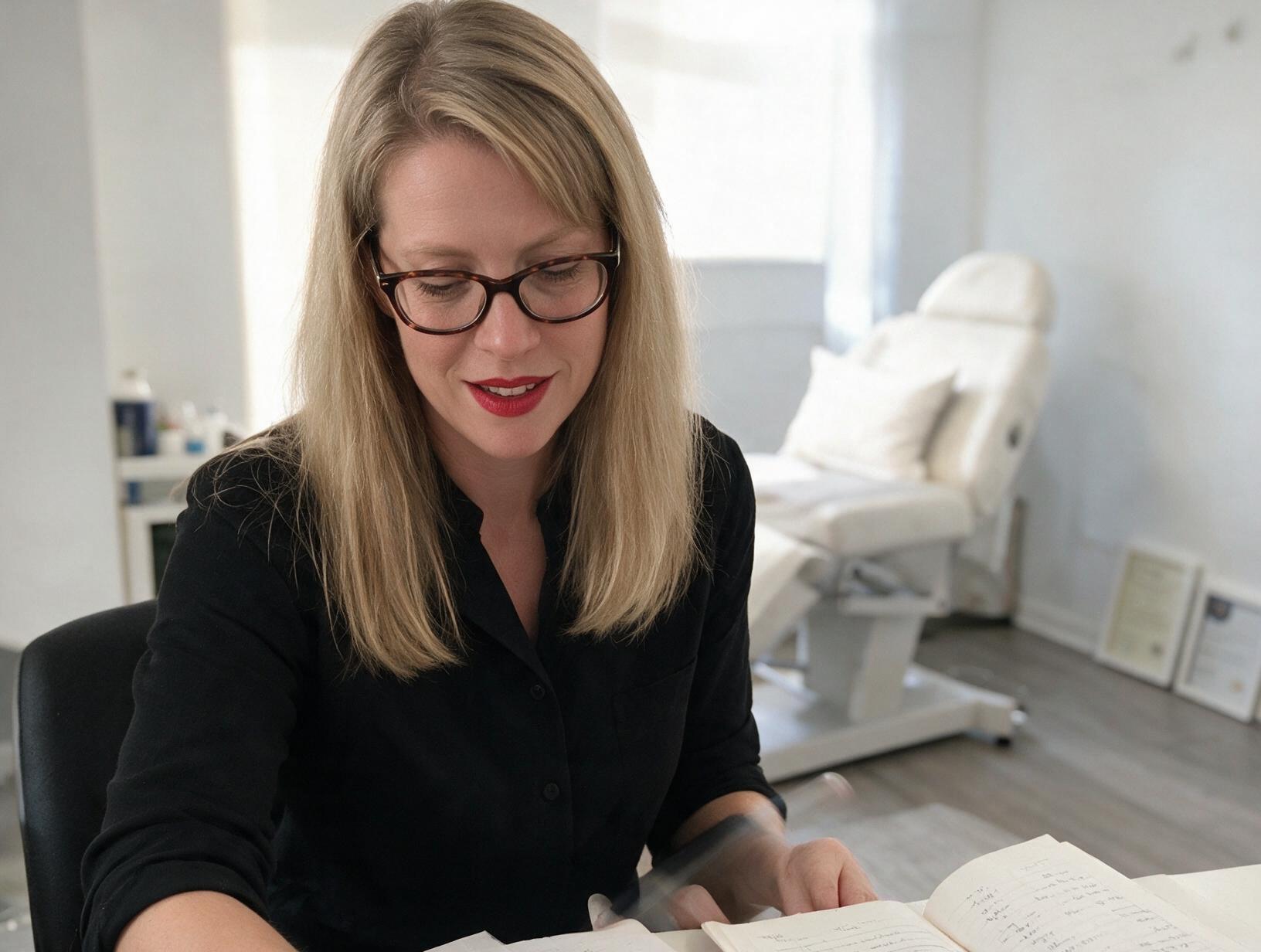
I am Charlotte Drinkwater, and I remain personally involved from your first enquiry and consultation through treatment and aftercare. Simply Scalp is based in Purley, South London, and I keep the practice intentionally small so I can maintain oversight and consistency. I hold Level 4 Scalp Micropigmentation and Level 5 Laser Tattoo Removal, specialising in SMP removal, along with health and safety certifications including Bloodborne Pathogens and Cross Contamination.
If you are comparing local examples, you can also view SMP results for clients from Epsom. These examples are more useful than celebrity rumours because they show the type of work, consultation and finish you can assess directly.
There is no need to choose SMP because a famous person may or may not have had it. Choose it only if the approach suits your hair loss, expectations and comfort with a long-lasting cosmetic treatment. You can read more about the treatment in my scalp micropigmentation overview.
If you would like to discuss whether female SMP suits you, you are welcome to book a friendly consultation with me.
Frequently asked questions
Can SMP make thinning hair look like a celebrity’s hair?
SMP can reduce the contrast between your scalp and existing hair, but it cannot reproduce another person’s hair density, styling or genetics. A good result is designed around your own hair colour, pattern of loss, skin and lifestyle. I would use celebrity images only to talk through general preferences, never as a promise of an identical result.
Is scalp micropigmentation suitable for women with long hair?
Yes, SMP can be placed between existing longer hairs rather than requiring a shaved head. For women, the aim is often to soften visible scalp around a parting, crown or temples. The treatment plan depends on how much hair remains, the cause of thinning and whether the loss is stable enough to camouflage.
Can a celebrity photo be used as my SMP reference?
You can bring a photograph to explain the type of coverage or softness you like, but it should not become a fixed template. Images may be edited, styled or taken under different lighting. During consultation, I translate your preference into a design that suits your own facial structure, hair and realistic level of scalp visibility.
Will SMP look obvious when my hair is parted?
The result should be planned to look natural when your hair is worn in the ways you normally choose. Some visible scalp remains a normal outcome, and overly dense or heavily saturated pigment can look less convincing. I assess your parting, hair colour, skin and styling habits before discussing the appropriate level of density.
Does SMP work if my hair loss is still changing?
It may be possible, but changing hair loss needs careful discussion. If your natural hair continues to thin, the treated area may no longer blend in the same way. I would first consider the likely cause and pattern, and recommend discussing unexplained or active hair loss with a suitable healthcare professional before proceeding.
Can SMP cover a scar caused by hair surgery?
SMP can be used to camouflage some scalp scars, including scars associated with hair surgery, depending on assessment. Scar tissue can behave differently from ordinary scalp, so the assessment needs to be individual. I would examine the area, explain what camouflage can and cannot achieve, and set expectations before treatment.
How long does female SMP take to heal?
Healing varies by person and treatment area. The scalp can look darker or more intense at first, followed by softening and possible light flaking or scabbing. Keep the area dry as advised, avoid activities that cause sweating during the early healing period, and do not pick at the skin. I provide aftercare guidance for your treatment.
Questions about your scalp?
Book a free consultation with master artist Charlotte Drinkwater and get honest, personal advice.
Book FREE Consultation