
Scalp micropigmentation can work with longer existing hair and is designed to sit between the hairs, not cover them. It should reduce the contrast between your scalp and hair, rather than create a solid painted effect. How visible it is depends on your hair density, colour, hairstyle, lighting and the treatment plan.
How does SMP work with longer hair?
When I treat a client who wants to keep their hair long, I place carefully chosen pigment between the existing hairs. The aim is to reduce the amount of scalp that catches the eye through a parting, crown or area of diffuse thinning.
Working between existing hair like this is often called density SMP. It is different from creating a shaved-head effect, where the pigment is placed to resemble closely cropped follicles across a more exposed scalp. With longer hair, the work needs to follow the way your hair naturally grows and separates.
The pigment is selected to complement your current hair follicle colour. It does not colour the hair shaft, add physical volume or make individual hairs thicker. Instead, it reduces the contrast between hair and scalp, which can make the overall area appear fuller.
You can read more about the treatment itself in my guide to scalp micropigmentation.
Will people be able to see the pigment through my hair?
Some scalp showing through is normal, and I would not try to remove every visible gap. A completely opaque scalp would usually look less natural, especially when your hair moves, is wet or is viewed in strong light.
Good density work should blend with your existing hair rather than sit on top of it like a solid layer. Visibility depends on several factors:
- how much natural hair you have in the area
- the colour and thickness of your hair
- the size, tone and spacing of the pigment deposits
- your usual parting and hairstyle
- lighting, hair movement and how close someone is standing
If your hair is very fine or the thinning is advanced, the scalp may remain more visible. That does not necessarily mean the treatment has failed. It means the result needs to be planned around the amount of hair still present and the level of coverage that can look believable.
Can you grow hair with SMP?
No. SMP does not grow hair, change your natural growth cycle or repair damaged follicles. It creates a visual impression of density only. If you are hoping to regrow hair, SMP should not replace a medical assessment or treatment recommended by a qualified clinician.
For suspected female pattern hair loss, I would encourage appropriate medical assessment before cosmetic treatment. Other diseases, metabolic conditions and hormone imbalances can cause similar-looking loss, so it is sensible to investigate those possibilities first.
If you are already using prescribed or recommended hair-loss treatment, do not stop it without speaking to the clinician who advised you. SMP can sometimes sit alongside other approaches, but your history, current pattern of loss and expectations all need to be discussed properly.
Long hair can be particularly useful for disguising thinning, but it can also make placement more complex. I need to understand how you wear it day to day, whether you change your parting, and what happens when it is tied back or exposed.
How do I plan density SMP with existing hair?
At consultation, I look at your scalp and hair in its normal condition rather than planning from a photograph alone. We discuss the areas that concern you, how you style your hair, your colour, your medical history and the result you hope to achieve.
I also set realistic expectations. The objective is not to paint the scalp until no skin can be seen. It is to create a controlled reduction in contrast that remains convincing when your hair is parted or moved.
Before treatment, your scalp should be clean and your treatment areas should be marked and agreed. Pigment colour and placement are considered carefully. I do not use numbing cream as standard, but you are welcome to apply it beforehand if you prefer.
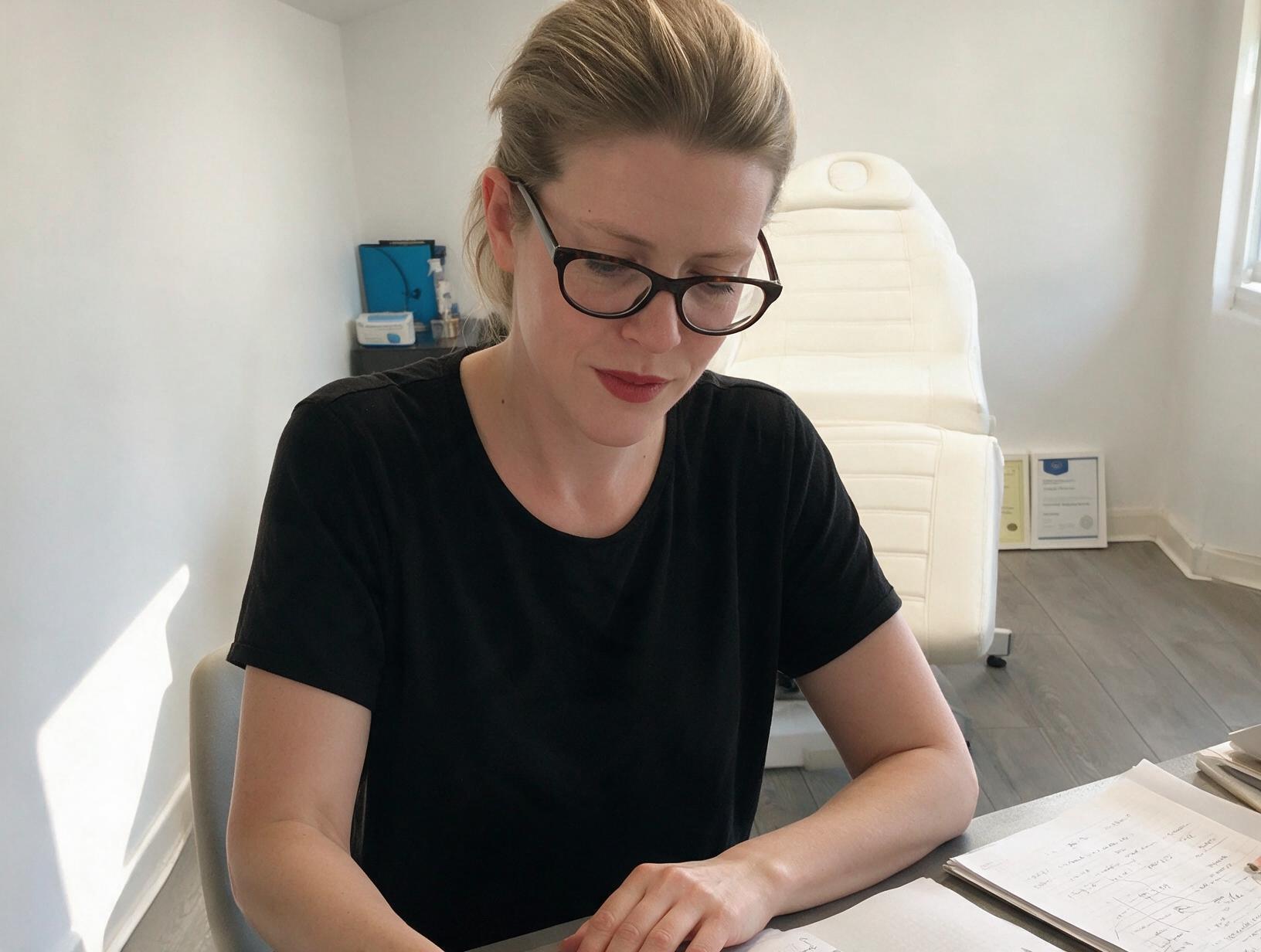
I remain personally involved from your first enquiry through consultation, treatment and aftercare at Simply Scalp. The practice is in Purley, South London, and I do not delegate consultations or treatments.
It is worth reviewing healed examples of a practitioner's work, especially work involving longer hair and density rather than only shaved styles. Pay close attention to hairlines, spacing and whether the result still looks soft after healing. A thorough consultation should also cover allergies, skin conditions, expectations and what happens if your hair pattern changes.
What should I expect after treatment?
Your scalp may look different at first, then settle as it heals. The pigment is placed in the epidermal and upper dermal layers, unlike a traditional tattoo, to help maintain small, natural-looking deposits. The pigment is intended to be long lasting, although it fades gradually over time, and it can be refreshed or removed with laser treatment if needed.
After a session, follow the individual aftercare guidance you are given. General information includes keeping the scalp dry, avoiding heavy exercise, steam rooms and hot showers that cause sweating, and avoiding direct sun exposure for several days. Follow the washing and sauna advice you are given for the healing period.
Once healed, protect the scalp from strong sunlight with broad-spectrum sunscreen. Sun exposure, oily skin, some medications and other hair-loss treatments can affect how quickly pigment fades. Your result may therefore need attention at a different point from someone else's.
Longer hair does not make you unsuitable for SMP. The important question is whether the planned density, pigment and placement suit your current hair and the way you live. If the hair loss is changing quickly, we should discuss timing carefully because future thinning can alter how the treated area looks.
If alopecia or scarring is part of your concern, my guide to SMP for alopecia may help. You can also read about results for Epsom clients on my SMP results page for Epsom clients.
If you would like to discuss whether density treatment suits your longer hair, you are welcome to book a consultation.
Frequently asked questions
Can I change my parting after density SMP?
Usually, this can be discussed during planning, but your normal styling matters. If you regularly move your parting, I need to consider the wider area so the result remains balanced. Moving hair can reveal more scalp than your usual style, so I will explain the likely visibility before treatment.
Will SMP make my long hair look darker?
SMP does not dye or coat the hair, so it should not change the colour of the hair itself. It may make the scalp look less pale between the hairs, which can create a fuller visual impression. Pigment is matched carefully to your current follicle colour and overall appearance.
Can I have SMP if I use hair fibres?
It may be possible, but tell me which products you use and how often. Hair fibres and SMP work in different ways, and I would want to know about your routine when planning. I would discuss how your products fit around treatment.
What if my hair becomes thinner after SMP?
Further thinning can expose areas that were previously hidden by hair, changing the balance of the result. This is why I discuss the likely pattern and timing before treatment rather than promising a fixed outcome. A review can help assess whether a future adjustment, additional work or another option is appropriate.
Is longer hair a problem during the appointment?
Not necessarily. I need to see and work between the hairs, so your hairstyle and density are important parts of planning. I will explain at consultation whether anything needs to change about your hair before treatment.
Questions about your scalp?
Book a free consultation with master artist Charlotte Drinkwater and get honest, personal advice.
Book FREE Consultation